Curious minds,groundedin community.
Intellectuals Center is a research and development organisation from Nepal. We generate evidence, build skills and convene people so better decisions get made — in households, municipalities and across the region.
Good research too often stays on the shelf, while communities face urgent problems without the data or skills to solve them. So we built an organisation that does both.
Our researchers design studies, collect data in the field and analyse it carefully. Our programme teams work directly with households, entrepreneurs, schools and local governments.
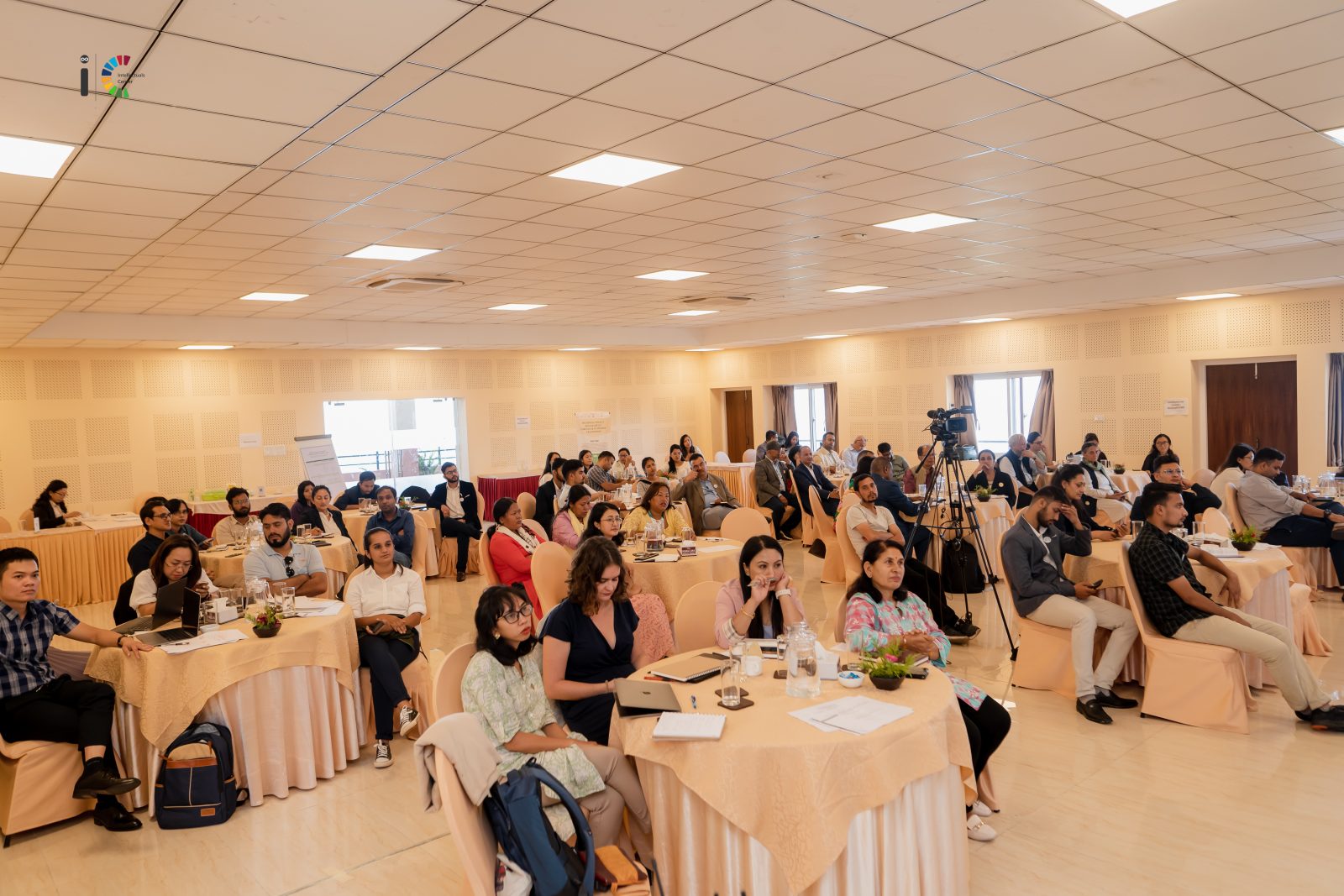
And our convening work brings those findings to the tables where policy is made — in Nepal and with partners across South and Southeast Asia.
The ten colours of our logo reflect that breadth: environment, health, gender, livelihoods and resilience are all connected — and so is our work.
What drives us
Mission
To produce credible, people-centred evidence and turn it into practical action and better policy for sustainable development.
Vision
Resilient, inclusive and circular communities where decisions are informed by knowledge and shaped by the people they affect.
Approach
Research, action and dialogue working together — so what we learn in the field directly improves programmes and policy.
How we show up
Integrity
Honest methods, transparent findings and accountability to the people we serve.
Inclusion
Women, youth and marginalised voices are central — never an afterthought.
Collaboration
We co-create with municipalities, universities and civil society.
Practicality
Solutions that work on the ground, with the resources available.
Sustainability
Circular thinking and long-term impact over short-term outputs.
Four ways we create impact
Research
Profiling studies, baseline surveys and assessments that create reliable local data.
Testing
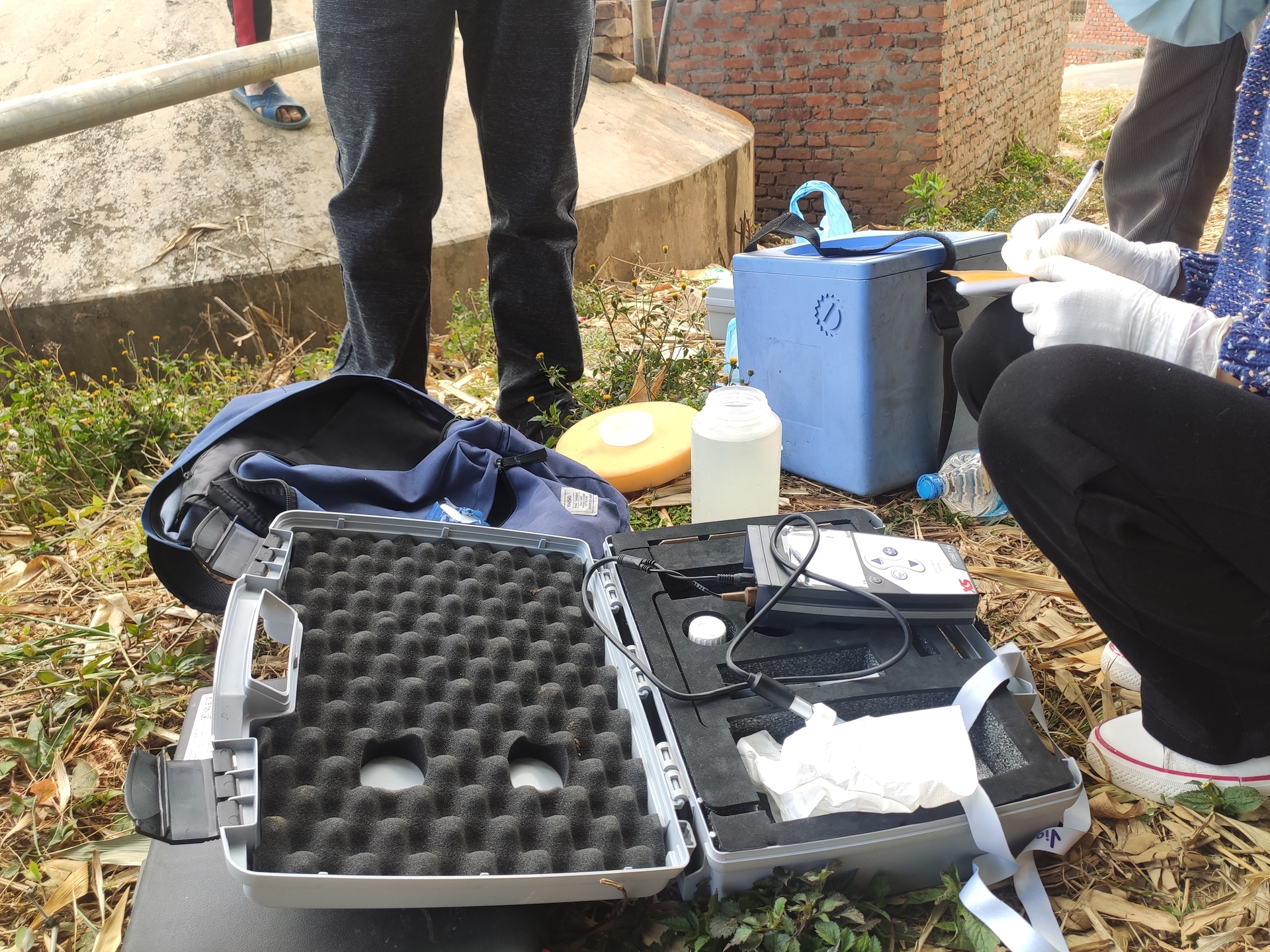
Field testing such as water quality analysis to identify risks and inform action.
Training
Composting, recycling and livelihood training that builds lasting local skills.
Dialogue & response
Policy convenings, and humanitarian response when communities need it most.